-
My wife doesn’t usually read my blog posts because I think some of what I write makes her cringe. She was rightly disturbed by me saying I have no Christian friends. She worried it might offend Christians who do consider us their friends. First, I must apologize for putting it so broadly. Yes, I certainly…
-
Since I observed dishonesty in evangelicalism in 1990 and left that movement, my views have evolved. Watching the decline of Christianity in America, for me, was like being up in a hot-air balloon that is sinking toward hostile territory, and you are jettisoning all the extraneous weight to keep it afloat. Soon, I discovered that…

-
If you’re 100% certain that God exists and that certainty defines you, this next series of articles isn’t for you. But if you honestly have questions, sometimes doubts, or wake up in the middle of the night with the question, “Is there really a God?”, then come along for a frank discussion. For twenty…
-
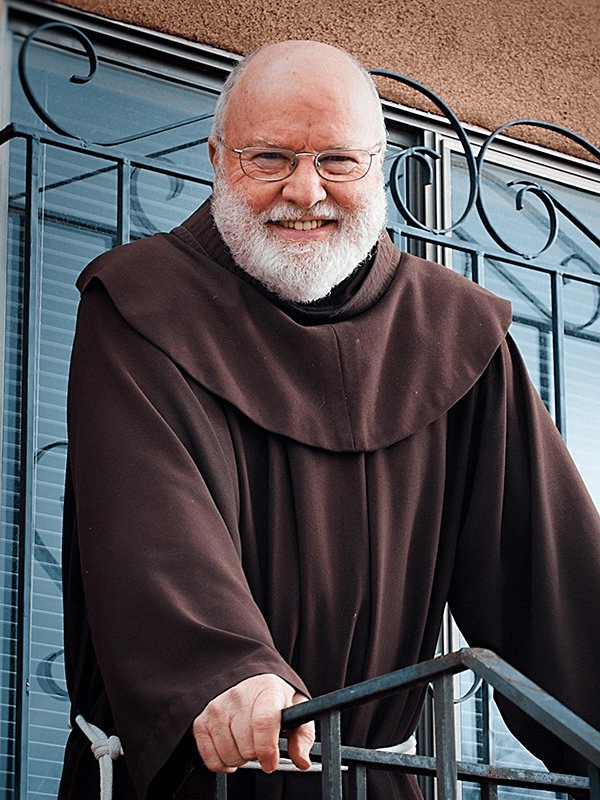
Above is Richard Rohr, a postmodernist; there is no truth; you create your own reality; the new Pied Piper of the progressive church. I want to do one more post in this series, then put it to rest. Again, to be clear, I am not attacking the traditional church. I adore those people who love…
-
I am posting at breakneck speed because I have been ill for the past two weeks, battling once again bronchitis that is trying its damndest to turn into pneumonia. My cancer is of the immune system; therefore, I am very vulnerable to infections and, indeed, the most likely way I will die is from an…
-
The media theorist Marshall McLuhan famously wrote, “We don’t know who discovered water, but we know it wasn’t a fish,” describing cultural blindness to prevailing norms. We can’t see our own culture until we’ve tried living in a completely different one. But even when we experience a different culture, we can assimilate or become like…
-
Opening Statement I will start with a bold statement: I am convinced that most Christians care more about their traditions and culture than they do about God or Jesus as the messiah. In the following articles, I will lay out the evidence for this claim and offer a way forward in this age, when the…
-
These two things are at the forefront of my thoughts recently, although they are only loosely interrelated. I will start with the conversation with the postmodernist, as that will be easier. Postmodernism is the most popular way of thinking in the world in 2026. It has a long history, which I’ve discussed many times on…
-
I never know why people are coming here, but I can see what they are reading. I’ve had a surge of hundreds of new readers in the past few days, and they seem to be drawn to my writing about my myeloma journey. I don’t like writing new things about my cancer because I am…
-
I may not be the smartest person in the room, but I wouldn’t be surprised if I wasn’t the most curious. I have an insatiable appetite to know the why of things. For the thirty-seven years I spent as an evangelical, I had to stifle that curiosity because in that and most religious worlds, conformity…
-
Subscribe
Subscribed
Have a WordPress.com account? Log in now.

